1 / 5
 Partix Auto
| High quality | High quality steel & rubber material. |
| Perfect packing | To meet customers' different packaging requirements. |
| Prompt delivery | Deliver goods on time according to the negotiated time. |
| Excellent service | Solve your pre- and post-sale problems. |

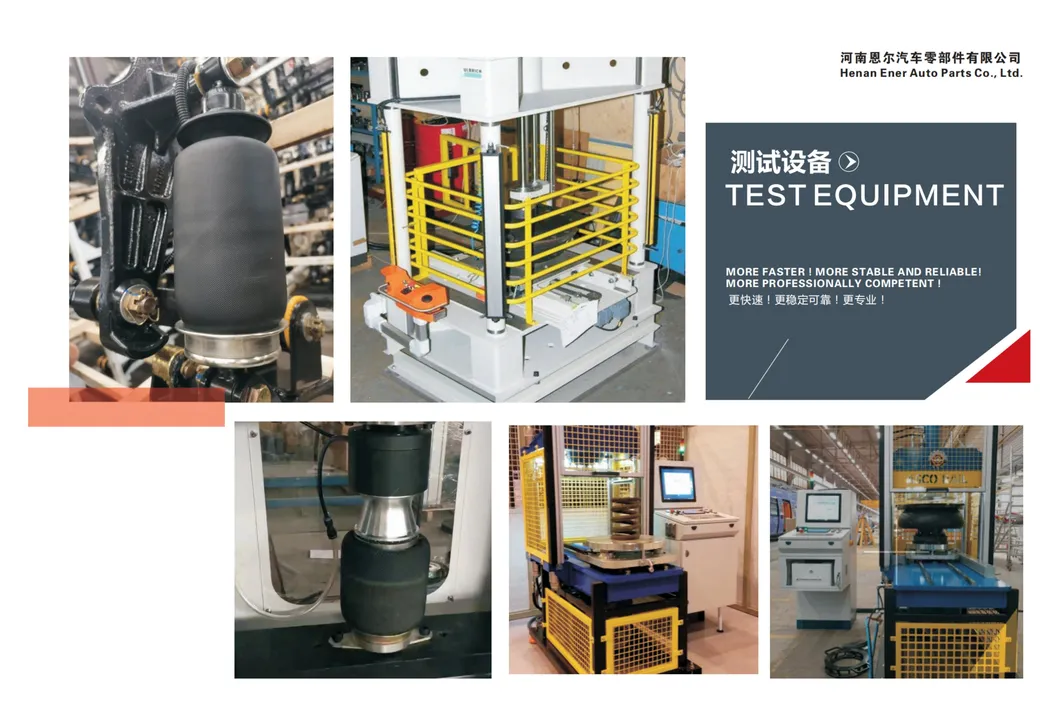
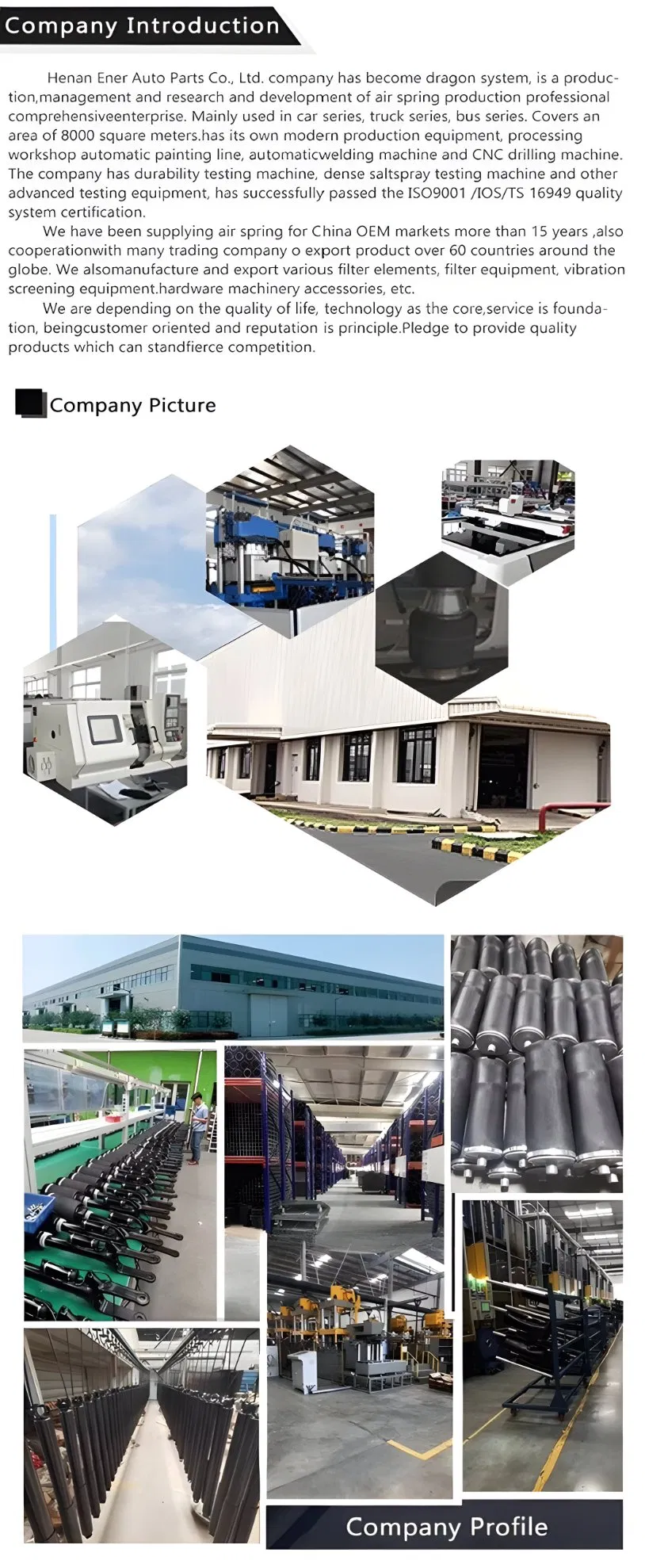


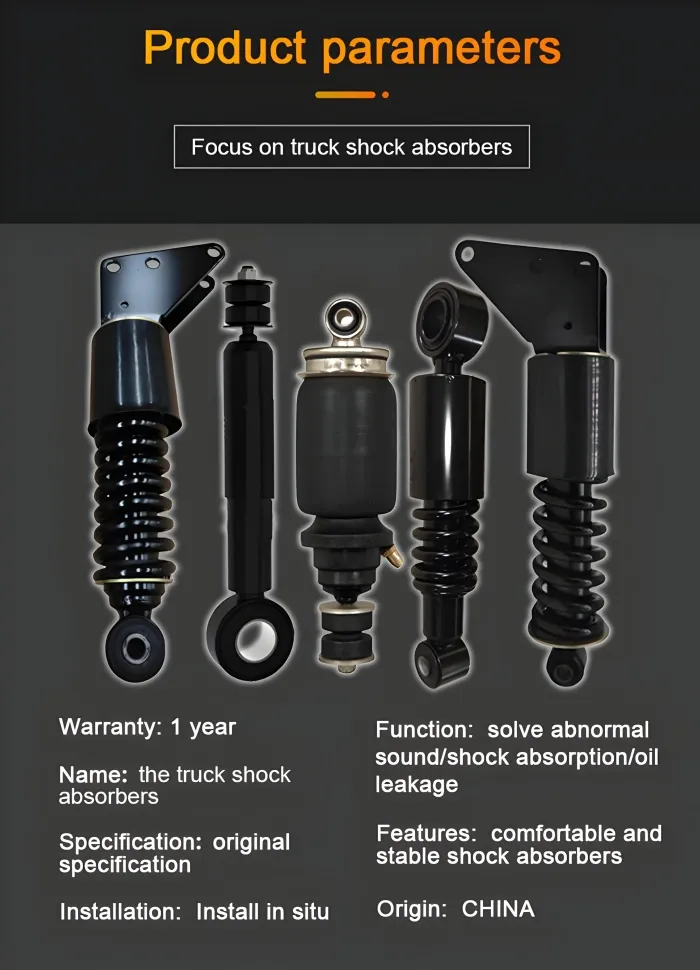
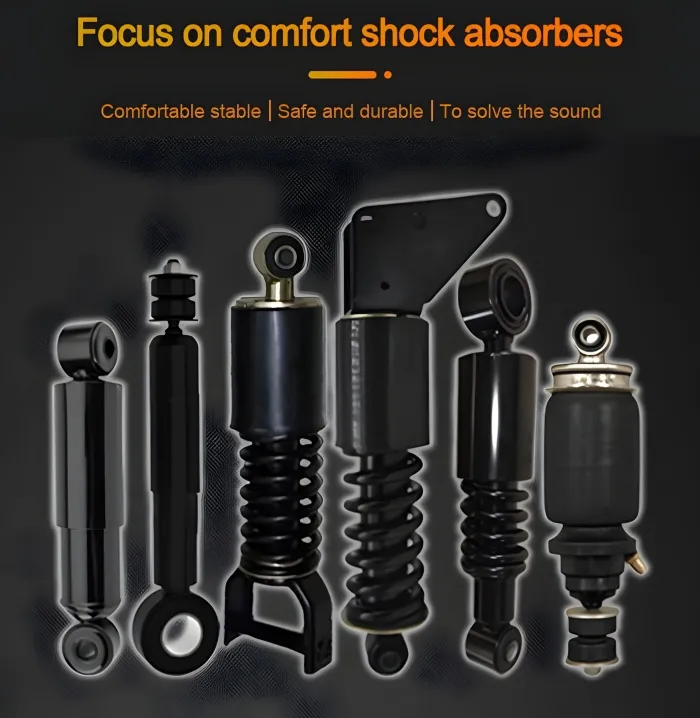
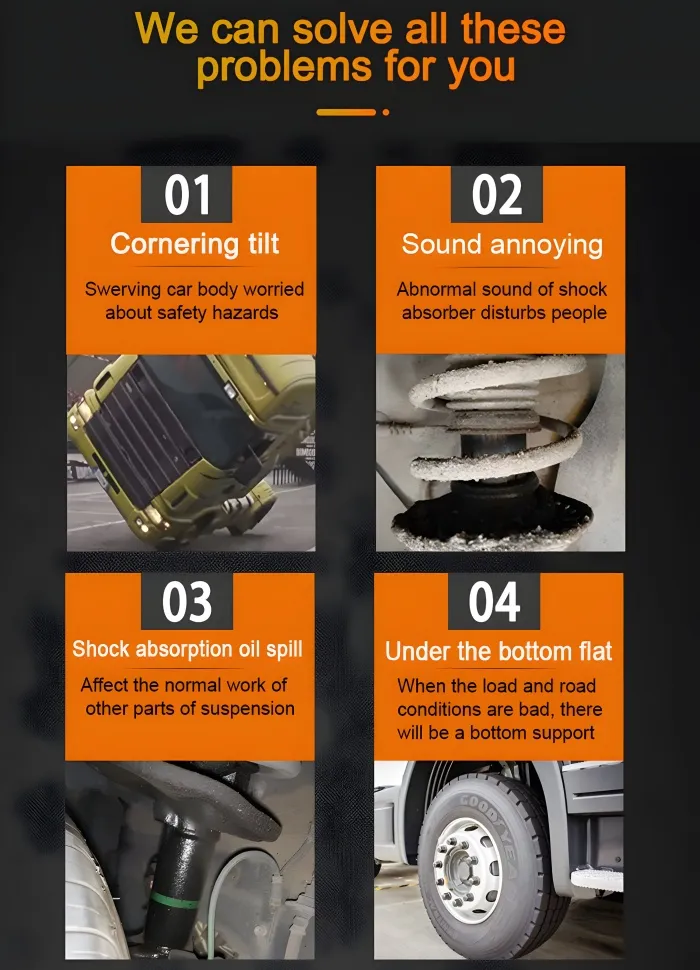


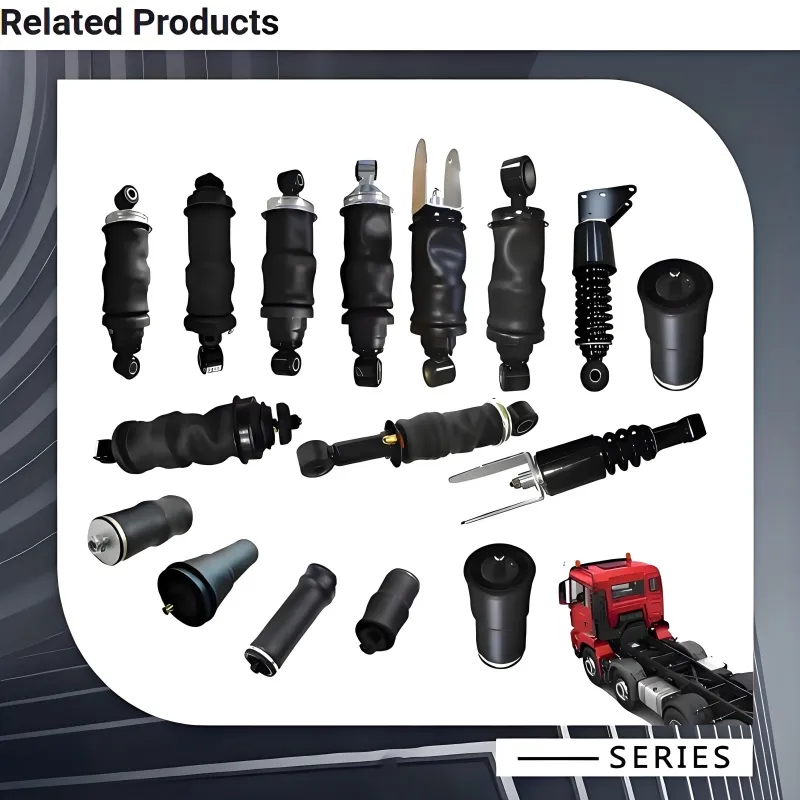
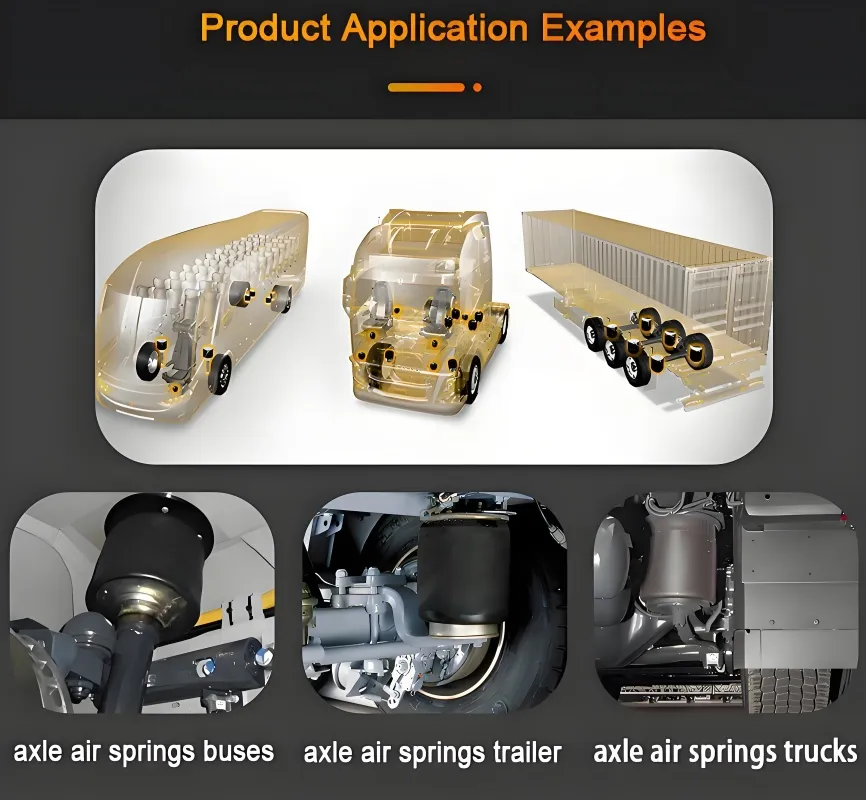


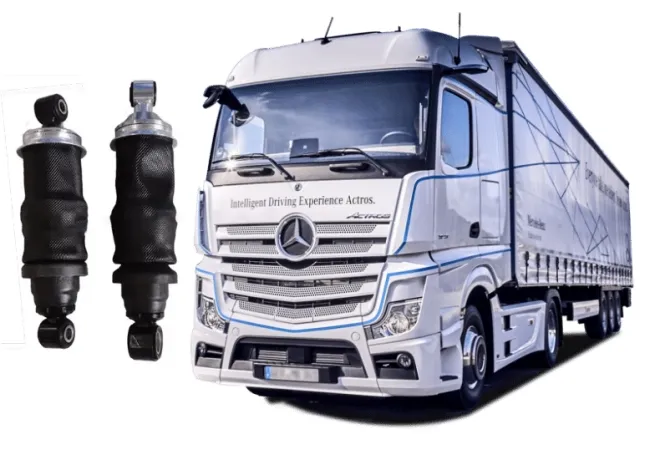
Cushioning Road Impact: The driving routes of trucks are complex and varied. The primary function of shock absorbers is to cushion these impacts from the road. Shock absorbers convert the impact force into thermal energy and dissipate it through their internal damping structure, smoothly resolving road impacts and keeping the vehicle body in a relatively stable posture.
Stabilizing Vehicle Posture: High-quality shock absorbers can effectively suppress adverse posture changes during high-speed driving, turning, and emergency braking. They ensure that the tires are always in close contact with the road and maintain good grip and handling stability.
Protecting Vehicle Components: Continuous vibrations accelerate the wear of components such as the frame, suspension, and tires. Shock absorbers act like shields, absorbing and filtering vibrations, greatly reducing damage and prolonging the service life of the entire vehicle.
Improving Driving Comfort: A comfortable driving environment can effectively relieve driving fatigue for long-journey truckers, improve attention, and reduce the risk of accidents caused by fatigue.
Ensuring Cargo Integrity: Shock absorbers keep the carriage stable, prevent goods from being damaged by vibrations, and reduce the cargo damage rate, which is crucial for fragile or high-value goods.
Enhancing Driving Safety: In emergencies, shock absorbers help the vehicle respond quickly and smoothly, preventing loss of control and skidding.
Structural Design: Common truck shock absorbers include tubular (single-tube and double-tube) and swing arm structures. Single-tube designs offer fast response and superior heat dissipation, while double-tube designs provide stable performance at a moderate cost.
Working Principle: Based on the principle of hydraulic damping, they consist of a piston rod, piston, cylinder body, valves, and oil. Mechanical energy is converted into thermal energy through damping force to attenuate vibrations.
Key Parameters: Includes Load-bearing capacity (designed for heavy pressure), Stiffness coefficient (static and dynamic stiffness), and a Damping ratio generally between 0.2 and 0.4 for efficient shock decay.