Partix Auto
Partix Auto
Partix Auto
In the rapidly evolving automotive sector, Automotive Hose Solutions represent the critical veins and arteries of a vehicle's mechanical and thermal ecosystem. The global market is currently witnessing a paradigm shift, driven by the dual pressures of environmental sustainability and the transition toward Electrification (EVs). Traditional internal combustion engines (ICE) rely heavily on complex rubber and synthetic hoses for fuel delivery, lubrication, and cooling. However, the rise of Electric Vehicles has introduced a sophisticated need for Thermal Management Systems, where coolant hoses must handle intricate battery temperature regulation to ensure safety and longevity.
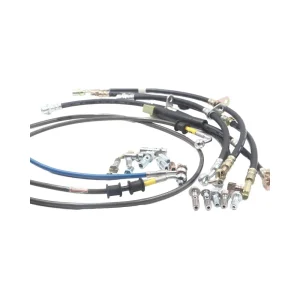
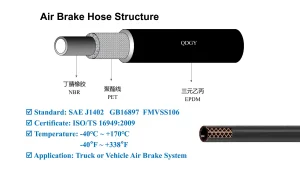
Today, the industrial status of automotive hoses is defined by high-performance materials. Manufacturers are increasingly utilizing EPDM (Ethylene Propylene Diene Monomer) for its ozone resistance, NBR (Nitrile Rubber) for oil resilience, and PTFE (Polytetrafluoroethylene) for high-pressure brake systems. This sector isn't just about tubes; it’s about precision engineering that meets stringent safety standards like SAE J1401 and FMVSS 106.
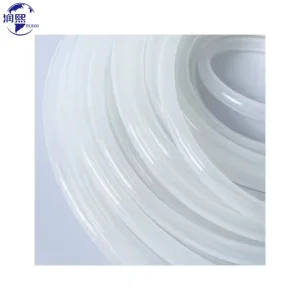
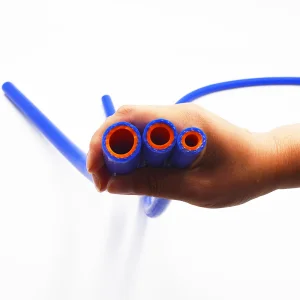
The trajectory of the automotive hose industry is aimed at Lightweighting. Reducing vehicle weight is paramount for improving fuel efficiency in ICE vehicles and extending the range of EVs. Consequently, we are seeing a move from heavy, bulky rubber hoses to multi-layer reinforced plastic and thin-walled silicone alternatives that offer the same pressure ratings at a fraction of the weight.
Another significant trend is the Integration of Sensors. Future "Smart Hoses" will likely incorporate diagnostic sensors that monitor fluid pressure, temperature, and chemical composition in real-time, feeding data directly to the vehicle’s ECU. This proactive approach to maintenance is becoming a standard requirement for Tier-1 suppliers and global automotive giants who prioritize "Zero-Failure" benchmarks.
Procurement officers from Europe, North America, and Southeast Asia are no longer just looking for the lowest price point. The focus has shifted toward Total Cost of Ownership (TCO) and Compliance. A brake hose failure can lead to catastrophic legal and safety liabilities; hence, certificates like DOT (Department of Transportation) and IATF 16949 are non-negotiable.
As a premier Chinese factory, we understand that localized application scenarios differ. For instance, customers in Northern Europe require Low-Temperature Flexibility (-50°C) for hydraulic lines, while those in Middle Eastern regions demand High Ozone and Heat Resistance for radiator hoses. Our ability to provide custom ODM solutions—tailoring material density and reinforcement layers—is why we remain a top choice for international distributors.
Founded in 2004, Partix Auto has grown into a cornerstone of the Chinese automotive supply chain. Strategically located in the industrial hub of Shandong, near the kite capital of Weifang and the port city of Qingdao, our logistics infrastructure ensures seamless global exports.
As a National High-Tech Company and a state-owned holding listed firm, we embody the principles of E-E-A-T. We specialize in fluid pipelines, car suspension systems, and vibration-reduction rubber parts. Our accolades include the "National Intellectual Property Demonstration Enterprise" and a consistent ranking in the "National Top 100 Automotive Parts Suppliers" since 2006.

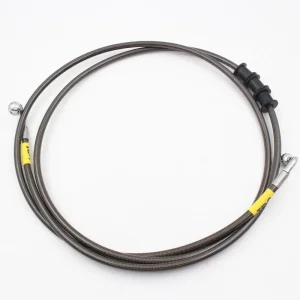
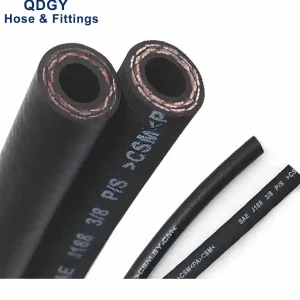
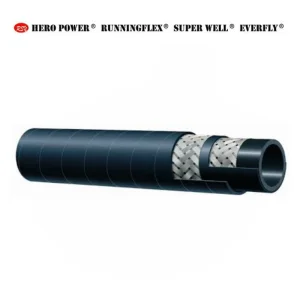
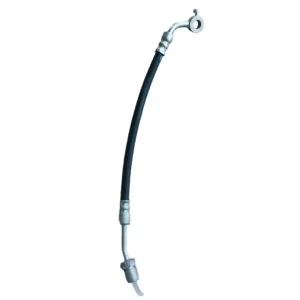
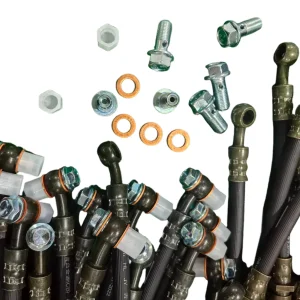
We utilize SS304 braiding for PTFE hoses and cloth-wrapped CSM/NBR for power steering pipes, ensuring durability under extreme pressure.
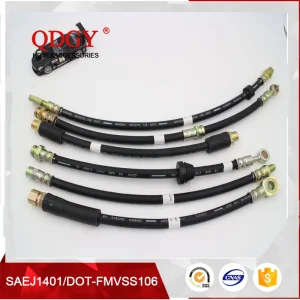
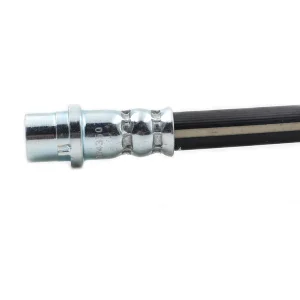
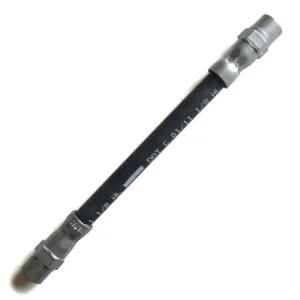
Our automated production lines in Shandong ensure every millimetre of our EPDM brake hose meets SAE J1401 and FMVSS 106 standards.
Located within the one-hour economic circle of Qingdao, we provide rapid shipping and integrated system solutions to Tier-1 OEM customers.
Our commitment to innovation is reflected in our diverse product portfolio, ranging from high-pressure fuel cooling hoses to custom silicone heaters. We don't just sell products; we provide Integrated System Solutions. By understanding the mechanical stresses of off-road motorcycles and the vibration requirements of heavy-duty trucks, we design fluid transfer systems that enhance vehicle safety and performance.